
As DIY vs Professional Smart Home Installations: Which is Best? takes center stage, this opening passage beckons readers with casual formal language style into a world crafted with good knowledge, ensuring a reading experience that is both absorbing and distinctly original.
The comparison between DIY and professional smart home installations dives deep into the advantages and disadvantages, shedding light on the complexities of choosing the right option for your home.
DIY vs Professional Smart Home Installations
When it comes to setting up a smart home, you have the option to either go the do-it-yourself (DIY) route or hire professionals for installation. Each approach has its own set of advantages and disadvantages, depending on your technical skills, budget, and the complexity of the smart devices you want to install.
Advantages and Disadvantages
- DIY Installations:One of the main advantages of DIY installations is cost savings. You can save money by not having to pay for professional installation services. Additionally, DIY setups give you the flexibility to customize and install devices according to your preferences.
However, the downside is that DIY installations may require technical knowledge and troubleshooting skills. If you're not comfortable with technology, you may face challenges during the setup process.
- Professional Installations:Professional installations offer convenience and expertise. You can rely on trained professionals to set up your smart home devices correctly and efficiently. This can help avoid potential issues or mistakes that may occur with a DIY approach. On the other hand, professional installations can be more expensive, as you will need to pay for labor costs in addition to the cost of the devices themselves.
Examples of Smart Home Devices
Some smart home devices that are suitable for a DIY setup include smart plugs, smart bulbs, and smart thermostats. These devices typically come with user-friendly installation instructions that make it easy for homeowners to set them up without professional help.
On the other hand, smart devices like security cameras, whole-house automation systems, and smart locks may require professional installation due to their complexity. These devices often involve wiring or integration with existing home systems, which are best handled by experienced installers.
Cost Implications
- Choosing DIY installations can save you money upfront, as you won't have to pay for professional installation services. However, if you encounter issues during the setup process and need to call in a professional for assistance, you may end up spending more in the long run.
- Professional installations may come at a higher initial cost, but they can save you time and effort by ensuring that your smart home devices are installed correctly the first time. This can help prevent costly mistakes or malfunctions that may occur with a DIY setup.
Skill Level and Expertise
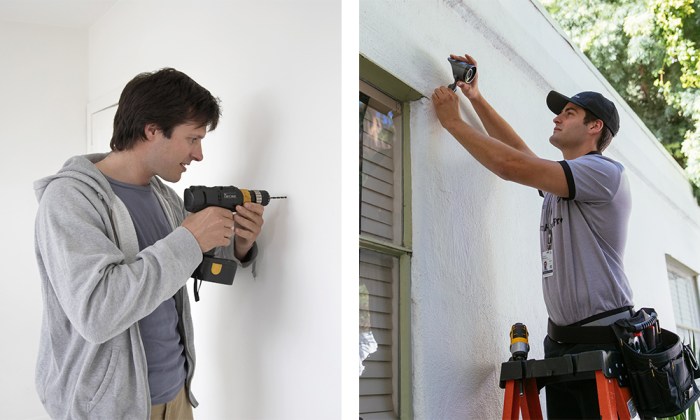
When it comes to smart home installations, the skill level and expertise required can vary significantly depending on whether you choose to go the DIY route or hire a professional installer. Let's explore the necessary skills, level of expertise, and associated risks in more detail.
Necessary Skills for DIY Smart Home Installation
- Basic understanding of home networking and Wi-Fi setup.
- Knowledge of smart home devices and their compatibility.
- Ability to follow technical instructions and troubleshoot common issues.
- Familiarity with smartphone apps for controlling smart devices.
Comparison with Professional Installers
- Professional installers have in-depth knowledge of smart home technology and industry trends.
- They are equipped with advanced tools and resources for efficient installations.
- Professional installers can provide customized solutions based on your specific needs and preferences.
- They offer professional support and maintenance services for long-term reliability.
Risks of DIY Installations for Individuals with Limited Technical Knowledge
- Incorrect installation can lead to device malfunction or failure.
- Security vulnerabilities may arise due to improper setup or configuration.
- DIY installations could void warranties on smart home devices.
- Limited technical knowledge may result in compatibility issues or integration challenges.
Customization and Integration
When it comes to creating a smart home setup, customization and integration play a crucial role in tailoring the system to meet your specific needs and preferences. DIY enthusiasts often enjoy the flexibility of customizing their smart home devices and integrating them seamlessly to create a cohesive ecosystem.
On the other hand, professional installations may have limitations when it comes to customization, as they typically follow a standardized approach.
Flexibility of DIY Smart Home Setups
- DIY enthusiasts have the freedom to choose the specific smart home devices and systems that best suit their needs and budget.
- They can mix and match products from different brands to create a personalized smart home ecosystem.
- Customization options such as creating custom scenes, routines, and automation rules are easily accessible for DIY setups.
Integration of Various Smart Home Devices
- DIY enthusiasts can integrate smart devices such as smart lights, thermostats, security cameras, and voice assistants to work together seamlessly.
- Using platforms like IFTTT (If This Then That) or smart home hubs, they can connect different devices to trigger actions based on specific conditions or events.
- Creating a unified experience where devices communicate with each other enhances the overall functionality and convenience of a DIY smart home setup.
Limitations of Professional Smart Home Installations
- Professional installations may limit customization options to predefined packages or configurations offered by the service provider.
- Integrating third-party devices or systems that are not part of the professional installation package may be challenging or not supported.
- Customizing automation rules or setting up personalized routines might require additional fees or may not be possible with professional installations.
Technical Support and Maintenance
When it comes to smart home installations, technical support and maintenance are crucial aspects to consider. Let's delve into the details of the support available for DIY setups, maintenance requirements, and warranty/service options for both DIY and professional installations.
Technical Support for DIY Installations
- DIY smart home installations often come with online resources such as tutorials, forums, and customer support hotlines to assist users with any technical issues.
- Some manufacturers offer troubleshooting guides and step-by-step instructions to help DIY enthusiasts navigate the installation process.
- Community forums and online groups can also be valuable resources for DIYers to seek advice and solutions from fellow users.
Maintenance Comparison
- DIY setups may require more hands-on maintenance from the users themselves, such as software updates, device recalibrations, and troubleshooting connectivity issues.
- Professional installations, on the other hand, may come with maintenance packages that include regular check-ups, software updates, and on-call support for any issues that may arise.
- Professionally installed systems are often more reliable in the long run, requiring less maintenance and intervention from the users.
Warranty and Service Options
- DIY smart home products typically come with a manufacturer's warranty that covers defects in materials and workmanship for a certain period.
- Some manufacturers may offer extended warranty options for DIY installations, providing additional coverage for a fee.
- Professional installations often come with warranties that cover both parts and labor, ensuring that any issues with the system will be taken care of by the installation company.
- Service options for professional installations may include 24/7 support, regular maintenance visits, and guaranteed response times for any technical issues.
Closure
In wrapping up the discussion on DIY vs Professional Smart Home Installations: Which is Best?, the journey through the intricacies of smart home setups comes to a close, leaving readers with a comprehensive understanding to make informed decisions for their living spaces.
Helpful Answers
What are the main advantages of DIY smart home installations?
DIY installations offer cost savings and a sense of personal accomplishment for homeowners.
Which smart home devices typically require professional installation?
Complex systems like security cameras and whole-house automation often require professional expertise.
What level of technical expertise is needed for successful DIY smart home installations?
Basic knowledge of electronics and home networking is usually sufficient for DIY setups.
How do warranty and service options differ between DIY and professional installations?
Manufacturers typically offer limited warranties for DIY installations, while professional setups may come with extended service contracts.