
Exploring the realm of Energy-Efficient Siding: Does It Really Save Money? This introduction sets the stage for a deep dive into the topic, providing a captivating preview that sparks curiosity and interest right from the start.
Detailing the intricacies of energy-efficient siding and its impact on cost savings will be the focus of the subsequent paragraphs
Introduction to Energy-Efficient Siding
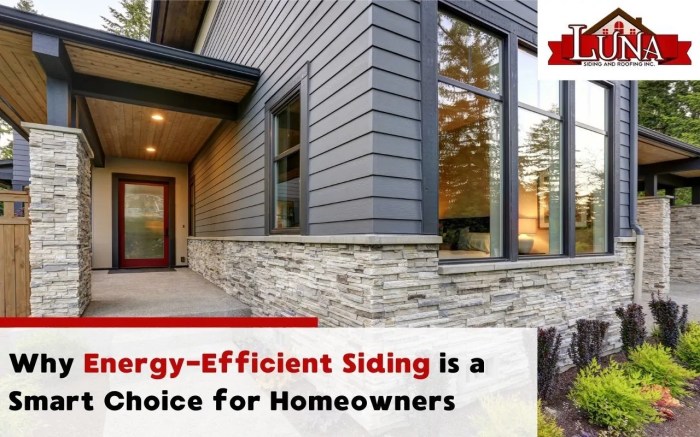
Energy-efficient siding refers to materials that are designed to improve the insulation of a building, reducing the amount of energy needed to heat or cool the interior. This type of siding plays a crucial role in saving money by lowering energy bills and increasing the overall energy efficiency of a home or building.
Energy-efficient siding works by creating a thermal barrier between the interior of a building and the outside environment. This barrier helps to regulate the temperature inside the building, reducing the need for excessive heating or cooling. By minimizing heat transfer through the walls, energy-efficient siding can significantly lower energy consumption and costs.
Popular Types of Energy-Efficient Siding Materials
- Vinyl Siding: Vinyl siding is a popular choice for energy efficiency due to its low thermal conductivity, which helps to keep heat inside during the winter and outside during the summer.
- Fiber Cement Siding: Fiber cement siding is another energy-efficient option known for its durability and insulating properties. It can help reduce energy loss through walls and improve overall energy efficiency.
- Wood Siding: Wood siding, when properly installed and maintained, can also contribute to energy efficiency by providing a natural insulating effect and reducing thermal bridging.
- Insulated Siding: Insulated siding incorporates foam insulation into the siding panels, enhancing the overall thermal performance of the building envelope and reducing energy consumption.
Cost-Saving Benefits of Energy-Efficient Siding
Energy-efficient siding offers homeowners the opportunity to save money in the long run through reduced energy consumption and lower utility bills. By investing in energy-efficient siding, homeowners can enjoy a range of cost-saving benefits that add up over time.
Potential Savings on Heating and Cooling Expenses
- Energy-efficient siding helps improve the insulation of a home, reducing heat loss in the winter and heat gain in the summer. This means that homeowners can rely less on heating and cooling systems to maintain a comfortable indoor temperature, resulting in lower energy bills.
- By creating a more airtight building envelope, energy-efficient siding minimizes the need for constant adjustments to indoor temperatures, leading to more stable heating and cooling costs throughout the year.
Real-Life Examples of Significant Savings
- A homeowner in a cold climate area reported a 20% reduction in heating costs after upgrading to energy-efficient siding, resulting in hundreds of dollars in annual savings.
- In a case study conducted by an energy efficiency program, homeowners who installed energy-efficient siding saw an average reduction of 15% in their cooling expenses during the summer months.
Environmental Impact of Energy-Efficient Siding
Energy-efficient siding not only helps homeowners save money on their energy bills but also has a positive impact on the environment. By choosing energy-efficient siding options, homeowners can significantly reduce their carbon footprint and contribute to sustainability efforts.
Reduced Energy Consumption
Energy-efficient siding is designed to provide better insulation for homes, reducing the need for heating and cooling systems to work overtime. This leads to lower energy consumption and decreased reliance on fossil fuels, ultimately reducing greenhouse gas emissions.
Durability and Longevity
Compared to traditional siding, energy-efficient siding is often more durable and long-lasting. This means fewer resources are needed for repairs and replacements over time, resulting in less waste and a smaller environmental impact.
Recyclable Materials
Many energy-efficient siding options are made from recyclable materials, further reducing the demand for new resources and minimizing waste generation. This sustainable approach to construction materials helps conserve natural resources and promotes a circular economy.
Installation and Maintenance Considerations
When it comes to energy-efficient siding, the installation process and maintenance requirements play a crucial role in maximizing cost savings and environmental benefits. Here we will delve into the specifics of both aspects to help you make an informed decision.
Installation Process of Energy-Efficient Siding
Installing energy-efficient siding involves a few key steps to ensure proper performance and efficiency. It is essential to hire professional contractors with experience in handling energy-efficient materials to guarantee a seamless installation process. Special considerations may include:
- Proper insulation: Ensure that the siding is installed with adequate insulation to minimize energy loss and maximize thermal efficiency.
- Weathertight seal: Proper sealing around windows, doors, and corners is crucial to prevent air leaks and maintain the energy efficiency of the siding.
- Ventilation: Proper ventilation behind the siding is essential to prevent moisture buildup and potential damage to the structure.
Maintenance Requirements of Energy-Efficient Siding
Compared to traditional siding, energy-efficient siding typically requires less maintenance due to its durable and weather-resistant properties. However, to ensure long-term cost savings and optimal performance, regular maintenance is still essential. Here are some tips for maintaining energy-efficient siding:
- Cleaning: Periodically clean the siding with a mild detergent and water to remove dirt, dust, and debris that can affect its appearance and efficiency.
- Inspection: Regularly inspect the siding for any signs of damage, such as cracks, warping, or discoloration, and address any issues promptly to prevent further damage.
- Repairs: If any damage is detected, make repairs as soon as possible to maintain the integrity and effectiveness of the siding in protecting your home.
Ending Remarks
Wrapping up the discussion on Energy-Efficient Siding: Does It Really Save Money? This conclusion encapsulates the key points in an engaging manner, leaving readers with a lasting impression of the topic
Top FAQs
Does energy-efficient siding really save money?
Yes, energy-efficient siding can lead to significant cost savings over time through reduced energy consumption and lower heating/cooling expenses.
What are the environmental benefits of energy-efficient siding?
Energy-efficient siding helps in sustainability efforts by reducing carbon footprint and promoting energy efficiency.
How does maintenance of energy-efficient siding differ from traditional siding?
Energy-efficient siding generally requires less maintenance compared to traditional siding, which can translate to long-term savings.