

Top Roofing Materials Used Around the World sets the stage for this enthralling narrative, offering readers a glimpse into a story that is rich in detail and brimming with originality from the outset.
As we delve into the world of roofing materials, we uncover a fascinating tapestry of options that have stood the test of time across various continents and cultures.
Types of Top Roofing Materials
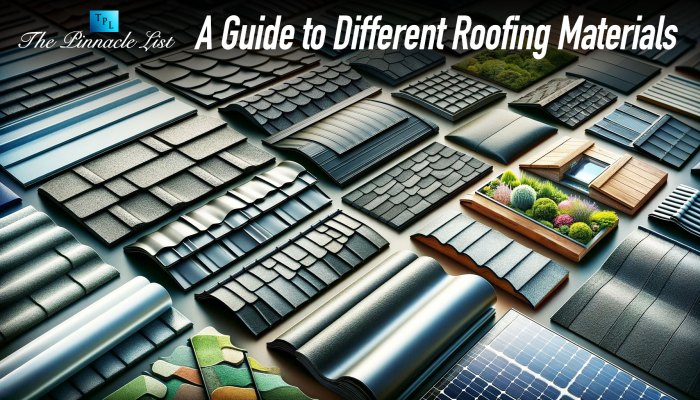
Roofing materials vary across the globe depending on factors like climate, availability of resources, and architectural styles. Here are some of the most commonly used roofing materials worldwide:
Asphalt Shingles
Asphalt shingles are popular in countries like the United States, Canada, and Australia. They are affordable, easy to install, and come in a variety of colors and styles.
Clay Tiles
Clay tiles are commonly used in Mediterranean countries like Spain, Italy, and Greece. They are known for their durability, energy efficiency, and aesthetic appeal.
Metal Roofing
Metal roofing is prevalent in countries like Germany, Japan, and Scandinavia. It is lightweight, long-lasting, and offers excellent protection against harsh weather conditions.
Slate Roofing
Slate roofing is popular in regions like Wales, Vermont, and parts of China. It is highly durable, fire-resistant, and adds a touch of elegance to buildings.
Concrete Tiles
Concrete tiles are commonly found in countries like Mexico, Brazil, and South Africa. They are cost-effective, low-maintenance, and offer good insulation properties.
Benefits of Different Roofing Materials
Metal, asphalt, clay tiles, and concrete are popular choices for roofing due to their unique advantages. Metal roofs are known for their durability, lasting up to 50 years or more with minimal maintenance. They are also lightweight and energy-efficient, reflecting sunlight to keep the interior cool.Asphalt shingles are cost-effective and easy to install, making them a popular choice for residential roofing.
They come in a variety of colors and styles, offering versatility in design.Clay tiles provide a classic and elegant look to any home, with excellent durability lasting up to 100 years. They are fire-resistant and require little maintenance, making them a sustainable choice.Concrete tiles are known for their longevity and strength, able to withstand harsh weather conditions.
They are also energy-efficient and come in various shapes and colors for customization.
Comparison of Durability, Cost-effectiveness, and Sustainability
Metal roofs are highly durable and can last for decades, making them a cost-effective long-term investment. Asphalt shingles are affordable upfront but may require more frequent replacement compared to other materials. Clay tiles and concrete tiles are both durable and sustainable options, with clay tiles lasting longer but concrete tiles offering better resistance to weather elements.
Environmental Impact of Roofing Materials
Roofing materials play a crucial role in the environmental impact of buildings, affecting energy consumption, carbon emissions, and sustainability. Different materials have varying ecological footprints and contribute differently to environmental conservation
Green Roofs
Green roofs are environmentally friendly roofing options that involve planting vegetation on rooftops. They provide insulation, reduce urban heat island effect, improve air quality, and promote biodiversity in urban areas. By absorbing CO2 and reducing energy consumption for heating and cooling, green roofs contribute to lower carbon emissions and increased sustainability.
Solar Tiles
Solar tiles are roofing materials equipped with solar cells to harness solar energy and convert it into electricity. They help reduce reliance on fossil fuels, lower electricity bills, and decrease carbon emissions associated with traditional energy sources. Solar tiles contribute to energy efficiency and sustainability by utilizing renewable energy sources.
Recycled Shingles
Recycled shingles are made from reclaimed materials like rubber, plastic, or wood fibers. By utilizing recycled materials, these shingles reduce waste and promote sustainability in construction. They also offer durability and energy efficiency, contributing to lower environmental impact compared to traditional roofing materials.
Regional Variations in Roofing Material Usage
When it comes to roofing materials, different regions around the world showcase a variety of choices influenced by climatic conditions, cultural preferences, and traditions. Let's explore how these factors impact the selection of roofing materials globally.
North America
In North America, asphalt shingles are the most commonly used roofing material due to their affordability and durability. However, in areas prone to hurricanes or high winds, metal roofing is preferred for its resistance to extreme weather conditions.
Europe
In Europe, clay tiles are a popular choice for roofing due to their classic aesthetic appeal and ability to withstand varying weather conditions. In regions with heavy snowfall, metal roofing or slate tiles are preferred for their durability and ability to prevent ice dams.
Asia
In Asia, thatch roofing made from natural materials such as palm leaves or straw is commonly used in rural areas due to its availability and cost-effectiveness. In urban areas, concrete tiles are popular for their longevity and resistance to heat and humidity.
Africa
In Africa, corrugated metal roofing is widely used due to its affordability and ability to withstand the intense heat and occasional heavy rains. Thatch roofing is also common in some regions for its natural insulation properties.
Oceania
In Oceania, metal roofing is a popular choice across the region due to its durability in the face of tropical cyclones and heavy rainfall. However, in areas with a more temperate climate, terracotta tiles are preferred for their aesthetic appeal and ability to regulate indoor temperatures.
Last Recap
In conclusion, Top Roofing Materials Used Around the World showcases the diversity and resilience of roofing materials worldwide, highlighting their significance in architecture and construction.
Popular Questions
Which roofing material is most commonly used globally?
Asphalt shingles are the most popular choice worldwide due to their affordability and ease of installation.
Are clay tiles more durable than metal roofing?
While clay tiles are durable, metal roofing is known for its longevity and resistance to harsh weather conditions.
Do green roofs contribute to energy efficiency?
Yes, green roofs help insulate buildings, reduce energy consumption, and mitigate the urban heat island effect.